
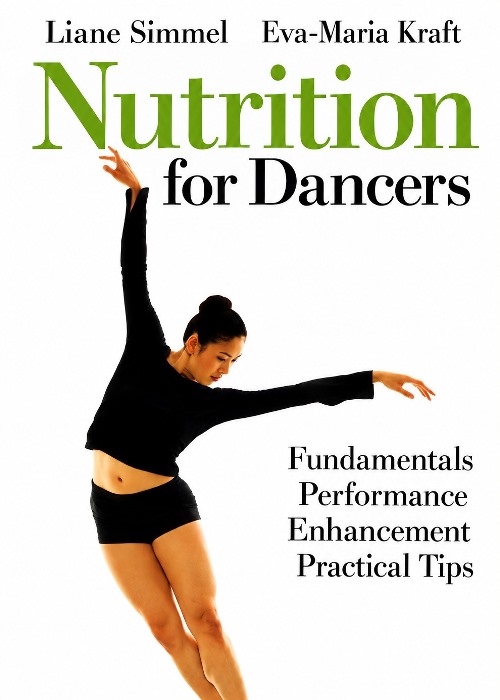
Nutrition for Dancers by Liane Simmel and Eva-Maria Kraft is a practical guide to healthy, performance-oriented nutrition specifically designed around the demands of dance. It explains how energy intake, nutrients, hydration, training, recovery, and body composition interact in a dancer’s everyday life.
The book begins with the foundations of nutrition and energy metabolism. Topics include carbohydrates, blood sugar, energy storage, fats, protein, vitamins, minerals, and trace elements. A dedicated section on hydration explains the importance of water for dancers, sweating and temperature regulation, the consequences of insufficient fluid intake, and how to choose appropriate drinks.
A major strength of the book is its practical approach to meal planning around dance training. The authors discuss breakfast, main meals, snacks, food selection, shopping, cooking, and eating away from home. Special attention is given to what dancers should consider before, during, and after dancing to support energy levels and recovery.
The book also addresses body weight and body composition, including calorie requirements, basal and total energy expenditure, BMI, body fat, dieting, and healthy weight management. Eating disorders are covered through discussions of risk factors, warning signs, different forms of disordered eating, prevention, and appropriate responses within the dance environment.
Combining nutritional foundations with practical advice, Nutrition for Dancers is a useful reference for dancers, teachers, and coaches interested in supporting health and performance through informed nutrition.
Contents
1. The Basics – An Overview
- Dance requires energy
- Energy production and oxygen
- Digestion and metabolism
- Carbohydrates as an energy source
- Blood sugar levels
- Energy stores for dancing
- Fat as an energy source
- Protein as a building material
- Vitamins and secondary plant compounds
- Minerals and trace elements
2. Hydration – Fluids Are Essential
- Water and its importance for dancers
- Sweating as the body’s cooling system
- Effects of insufficient fluid intake
- Choosing the right drinks
- Criteria for beverage selection
- The right timing for hydration
3. What to Eat? Making the Right Choices
- Daily nutritional requirements
- Breakfast
- Cold and warm breakfast options
- Main meals
- Balanced meal composition
- Snacks between meals
- Practical food choices
- Dietary supplements
- Digestive problems
- Food intolerances
4. When to Eat? Timing Matters
- Eating around dance training
- Before dancing: fueling for energy
- During dancing: maintaining performance
- After dancing: supporting recovery
- Daily nutrition planning
- Nutrition in the reality of a dancer’s schedule
5. Nutrition in Everyday Life
- Planning and shopping
- Making a shopping list
- Reading food labels
- Seasonal and regional foods
- Organic food choices
- Food marketing and advertising
- Practical cooking tips
- Healthy toppings and ingredients
- Eating out
6. Fit and Lean – A Challenge for Dancers
- How many calories do dancers need?
- Basal and total energy expenditure
- Body composition
- BMI and body fat
- Body fat and health
- Dance and body weight
- How dancing influences eating habits
- Dieting and rapid weight loss
- Healthy weight management
- Eating disorders
- Causes and risk factors
- Warning signs
- Different forms of eating disorders
- Responding to suspected eating disorders
- Prevention within the dance community
7. Reference Tables for Foods and Nutrients
The book also includes references, recommended resources, information on support services for eating disorders, and an index.











Reviews
There are no reviews yet.