
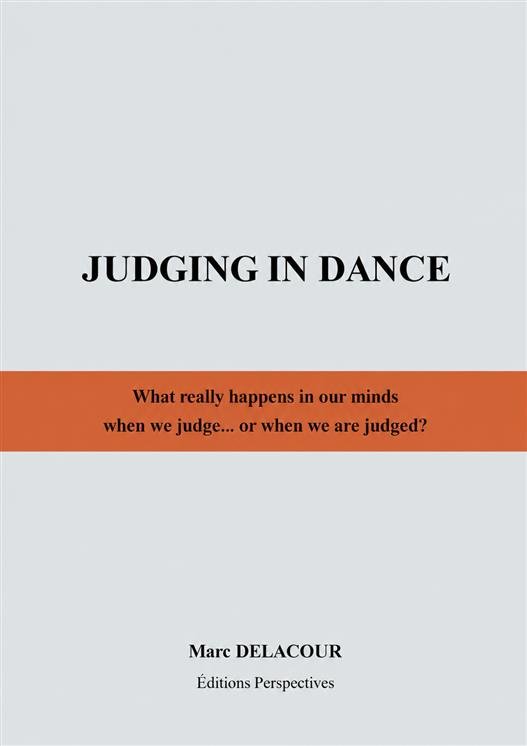
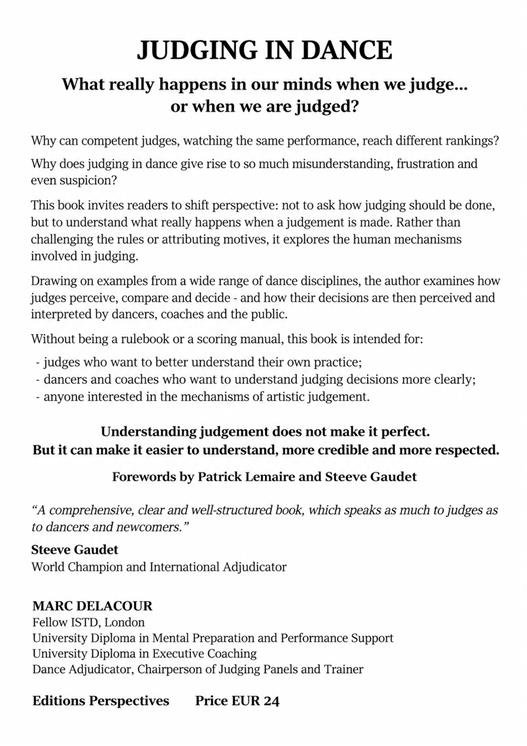
Why can experienced adjudicators watching the same dance performance arrive at different rankings? What makes judging such a complex and sometimes controversial aspect of competitive dancing?
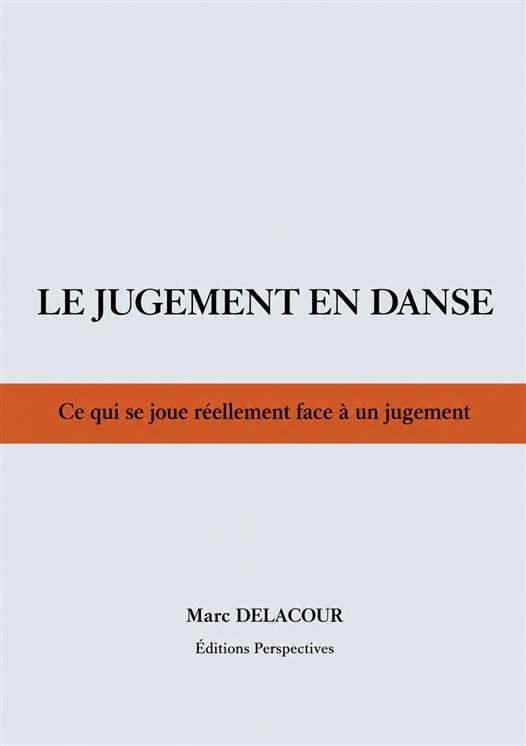
In Judging in Dance, Marc Delacour takes a closer look at what happens behind the decisions made on the competition floor. Rather than focusing on rules and scoring systems, he examines the human factors that influence how judges observe, interpret, and compare performances.
The book explores the subtle interplay between technical assessment, artistic preferences, attention, emotions, and cognitive biases. It considers why certain dancers attract more attention, how reputation and previous results may influence perception, and why judges can interpret the same partnership in different ways.
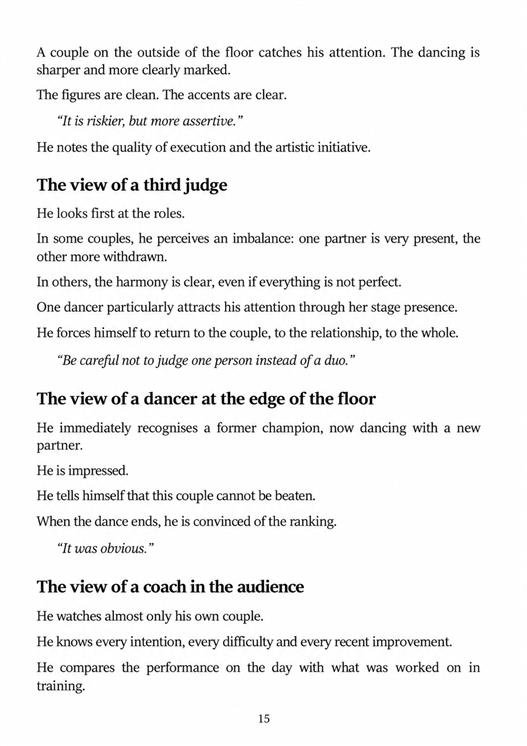
Delacour also examines the perspectives of dancers and coaches, revealing how expectations and personal involvement can shape their understanding of competition results. Throughout the book, he emphasizes the importance of recognizing the limits of human judgment rather than assuming that every difference in opinion reflects an error.
Judging in Dance offers an engaging perspective on dance adjudication, encouraging greater understanding of the decisions that shape competitive ballroom and Latin dancing. It is a valuable read for judges, dancers, coaches, and anyone interested in the complexities of artistic evaluation.
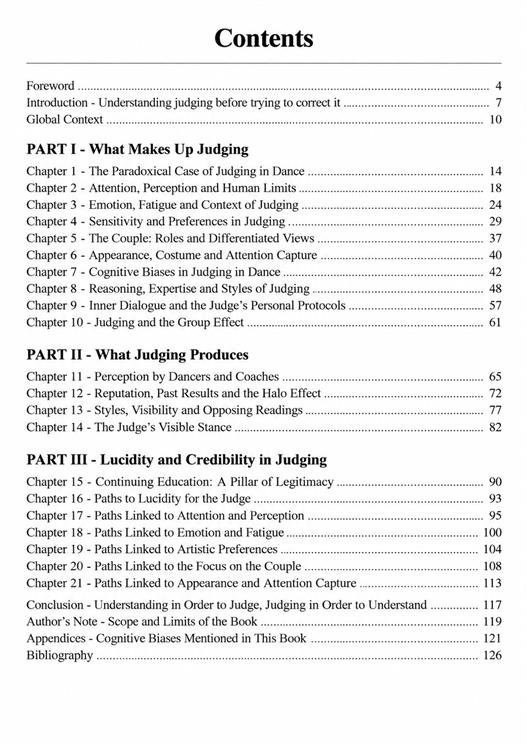
Contents
Foreword, Introduction & Global Context
- Foreword
- Introduction – Understanding Judging Before Trying to Correct It
- Global Context
Part I – What Makes Up Judging
- The Paradoxical Case of Judging in Dance
- Attention, Perception and Human Limits
- Emotion, Fatigue and Context of Judging
- Sensitivity and Preferences in Judging
- The Couple: Roles and Differentiated Views
- Appearance, Costume and Attention Capture
- Cognitive Biases in Judging in Dance
- Reasoning, Expertise and Styles of Judging
- Inner Dialogue and the Judge’s Personal Protocols
- Judging and the Group Effect
Part II – What Judging Produces
- Perception by Dancers and Coaches
- Reputation, Past Results and the Halo Effect
- Styles, Visibility and Opposing Readings
- The Judge’s Visible Stance
Part III – Lucidity and Credibility in Judging
- Continuing Education: A Pillar of Legitimacy
- Paths to Lucidity for the Judge
- Paths Linked to Attention and Perception
- Paths Linked to Emotion and Fatigue
- Paths Linked to Artistic Preferences
- Paths Linked to the Focus on the Couple
- Paths Linked to Appearance and Attention Capture
Conclusion & References
- Conclusion – Understanding in Order to Judge, Judging in Order to Understand
- Author’s Note – Scope and Limits of the Book
- Appendices – Cognitive Biases Mentioned in This Book
- Bibliography






Reviews
There are no reviews yet.