
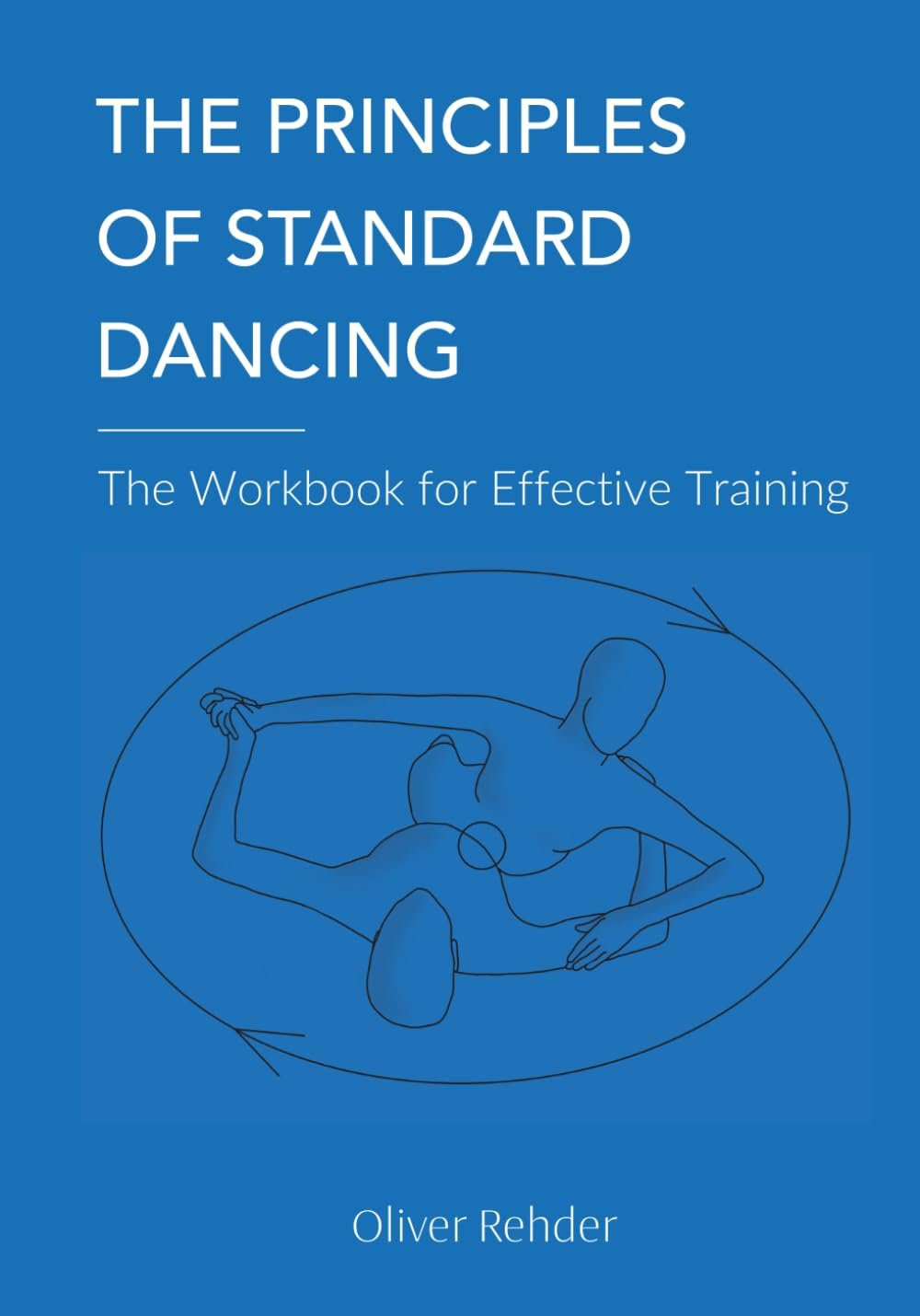
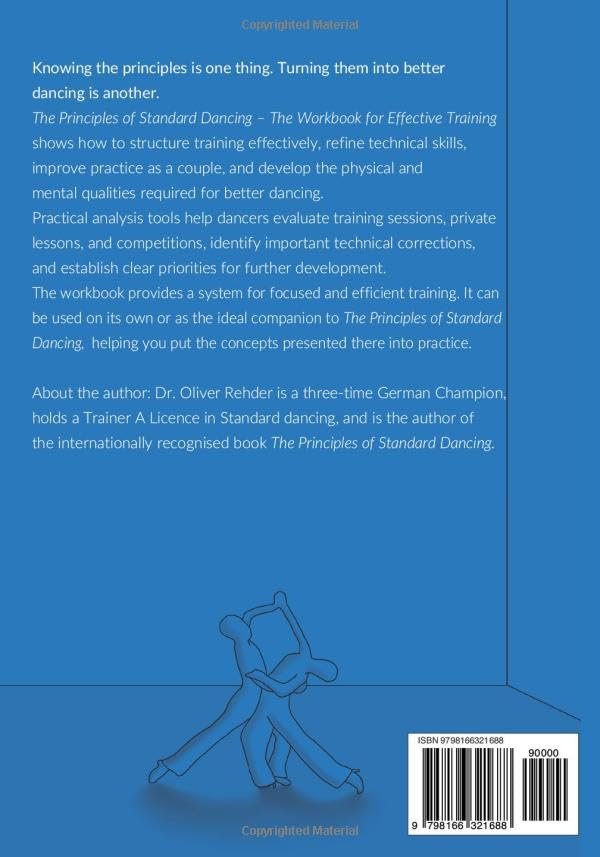
Understanding dance technique is essential, but lasting improvement depends on how dancers practise, retain coaching corrections and apply what they have learned.
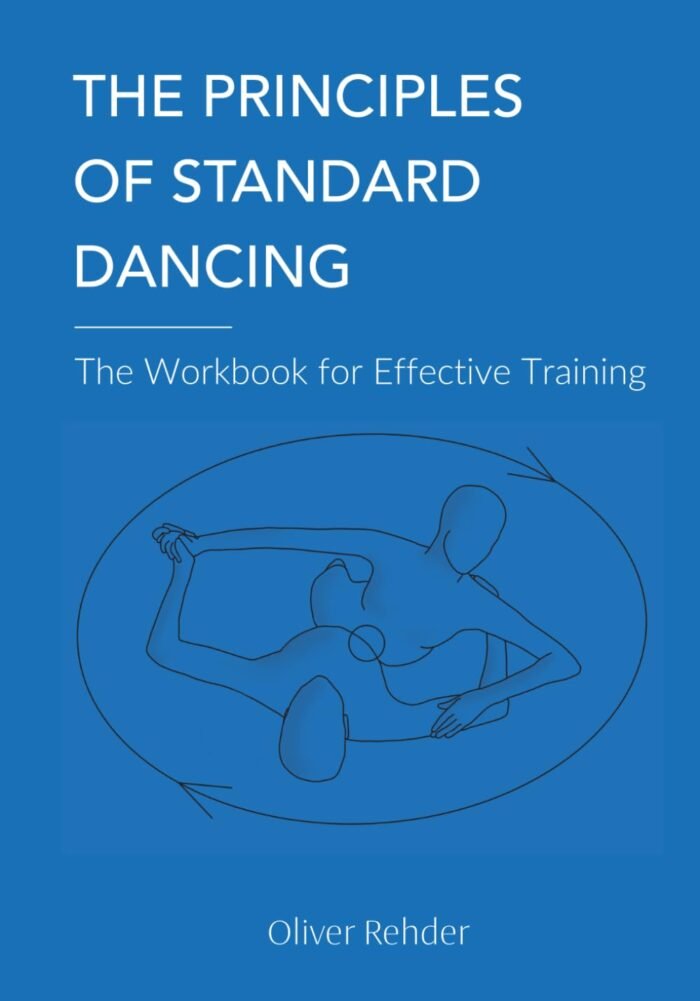
Written by Dr. Oliver Rehder, a three-time German Champion and holder of a Trainer A Licence in Standard dancing, The Principles of Standard Dancing: The Workbook for Effective Training combines technical development, structured practice, physical conditioning and mental preparation.
Rather than simply repeating choreography, the workbook encourages dancers to understand the fundamental movement principles shared across all five Standard dances, helping them apply technical corrections to different figures and dances.
A distinctive feature is its dedicated sections for training, private lesson and competition analysis. Dancers can organise coaching feedback, identify effective exercises, evaluate their performance and establish future training priorities. Over time, these observations become a personalised technical reference.
The workbook can be used independently or alongside Rehder’s The Principles of Standard Dancing. While the original book explores biomechanics and movement principles in greater depth, this workbook focuses on their practical application in everyday training.
It is particularly valuable for competitive Ballroom couples, dedicated Standard dancers, teachers and coaches seeking a more structured and purposeful approach to training.
Contents
Introduction
How to Use This Workbook
Chapter 1: The Principles of Effective Dance Training
- 1.1 Structuring Your Training Effectively
- 1.2 Automating Technical Skills Through Repetition
- 1.3 Warm-Up and Individual Preparation
- 1.4 Partner Exercises
- 1.5 Communication and Partnership in Training
- 1.6 Organizing Technical Training
- 1.7 Dividing Choreography Into Sections
- 1.8 Slow Practice Before Full Speed
- 1.9 Universal Principles and Figure-Specific Details
- 1.10 Precision and Self-Observation
- 1.11 Integrating Endurance Training
- 1.12 Finishing the Training Session
- 1.13 Mental Training
Chapter 2: Improving Physical Condition
- 2.1 Endurance
- 2.2 Mobility and Flexibility
- 2.3 Strength
- 2.4 Speed and Explosive Power
- 2.5 Body Composition and Physical Performance
- 2.6 Final Remarks
Chapter 3: My Principles of Standard Dancing
- 3.1 Individual Position and the Couple’s Posture and Hold
- 3.2 Spatial Movement
- 3.3 Movement in the Transversal Plane: Rotation, Turn, and Couple Positions
- 3.4 Movement in the Frontal Plane: Sway and Lateral Upper Body Shift
- 3.5 Movement in the Sagittal Plane: Extension and Sagittal Inclination
- 3.6 Shape
- 3.7 Leading and Contact
- 3.8 Differences Between Tango and the Swing Dances
Chapter 4: Training Analysis
Chapter 5: Private Lesson Analysis
Chapter 6: Competition Analysis
Chapter 7: My Most Important Insights
Final Thoughts
Acknowledgments





Reviews
There are no reviews yet.