
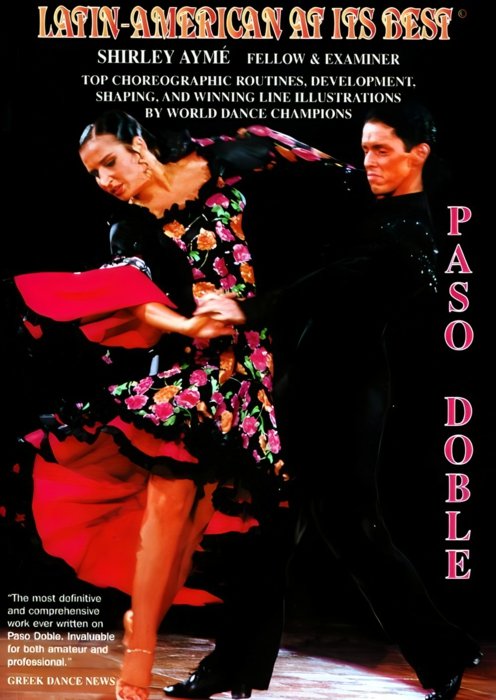
Continuing the series, Latin American at its Best – Paso Doble by Shirley Ayme (published around 1996–1997) is a technical masterclass focused on the “Dance of the Matador.”
While the Rumba book focuses on sensuality and hip action, this volume leans heavily into the drama, storytelling, and rigid posture required for Paso Doble.
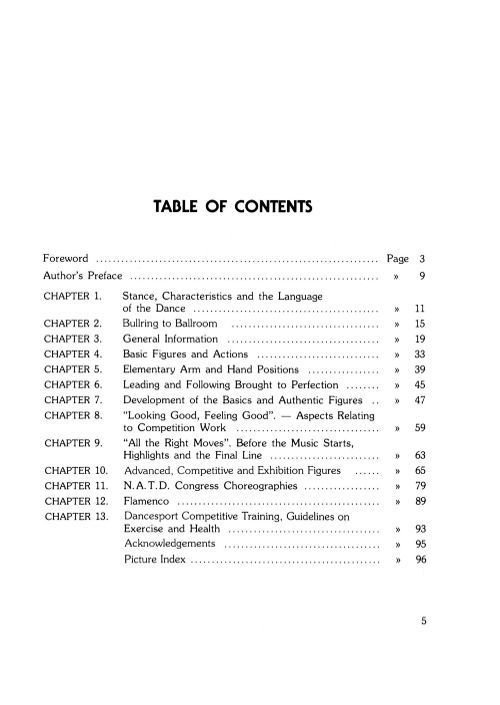
Key Chapters & Content
The Theory of the Matador: An extensive section on the history and character of the dance. Ayme breaks down the roles: the Man as the Matador (arrogant, in control) and the Lady as the Cape (fluid, reactive, and rhythmic).
The “Appel” and “Attaque”: Deep technical analysis of the sharp, striking foot actions used to engage the “bull.”
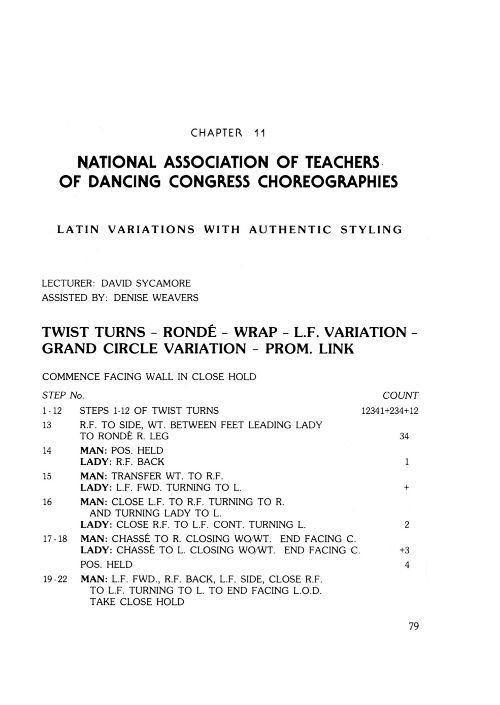
Detailed Figure Charts: Similar to the Rumba book, each figure is broken down into:
Positions: Precise foot placement relative to the partner.
Shapes: Descriptions of the “Spanish Line” and how to achieve the arched back and forward-pelvis posture.
Step Actions: Distinctions between Sur Place, Chassés, and Deplacements.
The 3 Highlights: Guidance on the musical structure of Paso Doble, specifically how to time movements to hit the “Highlights” (the climactic crashes in the music).
Ayme’s Glossary of Terms
The book is particularly noted for its clear definitions of Paso-specific terminology, which can often be confusing for students:
| Term | Ayme’s Definition / Context |
| Appel | Striking the ground to get the bull’s attention. |
| Banderilla | Solo poses depicting the casting of the darts. |
| Huit (Cape Step) | Manipulation of the cape as the lady moves side-to-side. |
| Grand Circle | The lady acting as the cape making a circumference around the man. |
| Pas Battu | A “bravado” action used after the bull misses the matador. |
Technical Audience
This book is a staple for IDTA and ISTD examination preparation. It bridges the gap between basic syllabus steps and the high-level performance needed for “Fellowship” (the highest professional teaching level) or high-level amateur competition.







Reviews
There are no reviews yet.