

What makes a Latin dance movement feel natural, balanced, and effortless? The answer often lies in how the body works beneath the surface.
In An-Latomy: The Latin Dance Anatomy, Cedric Chan explores the relationship between human anatomy, biomechanics, and Latin dance technique. Drawing on his experience as a professional Latin dancer and movement coach, he examines how breathing, muscle coordination, joint mechanics, and weight transfer contribute to the way dancers move.
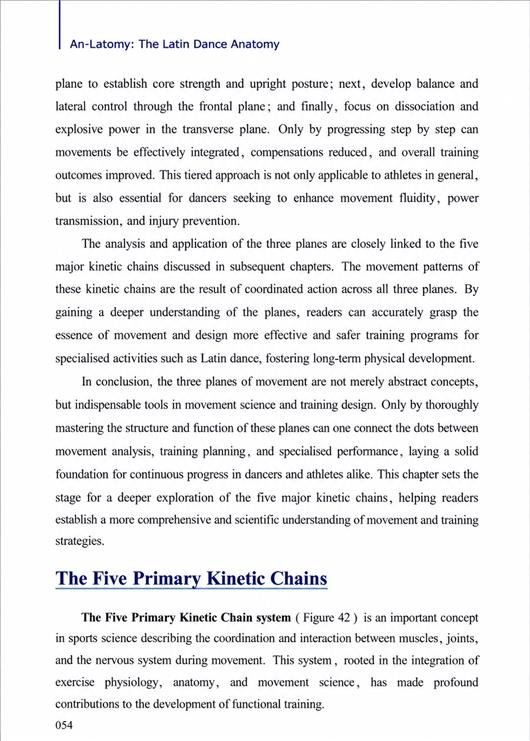
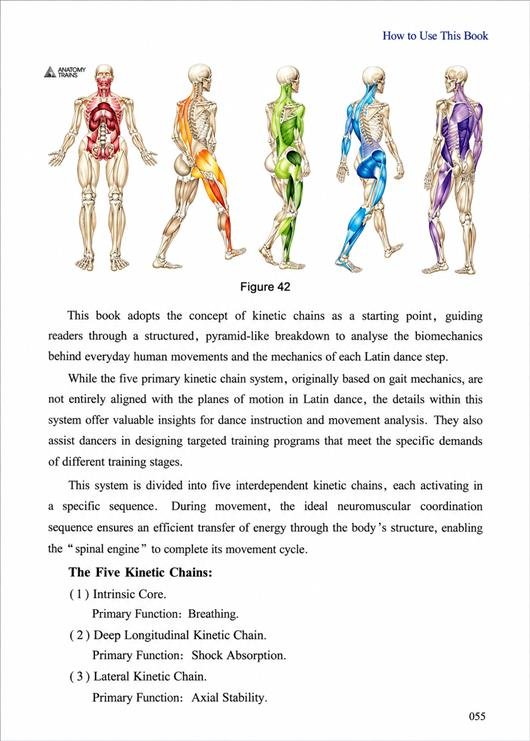
At the heart of the book is the concept of five primary kinetic chains—interconnected systems that help coordinate movement and transfer force through the body. Chan also explores the three planes of motion, explaining their relationship to posture, balance, rotation, and overall movement efficiency.
Through nearly 300 anatomical illustrations and dance-related examples, the book makes these concepts easier to visualize. Detailed discussions of the diaphragm, gait cycle, and changing structure of the foot reveal how even familiar movements involve complex interactions throughout the body.
Beyond explaining anatomy, An-Latomy encourages readers to reconsider certain traditional teaching methods and develop a more thoughtful understanding of movement.
For Latin dancers, teachers, and coaches, this book offers a different perspective on technique—connecting the artistry of dancing with the physical principles behind it.
Inside An-Latomy
An-Latomy examines the anatomical foundations of Latin dancing, combining movement science with practical observations from dance training and teaching.
Key topics include:
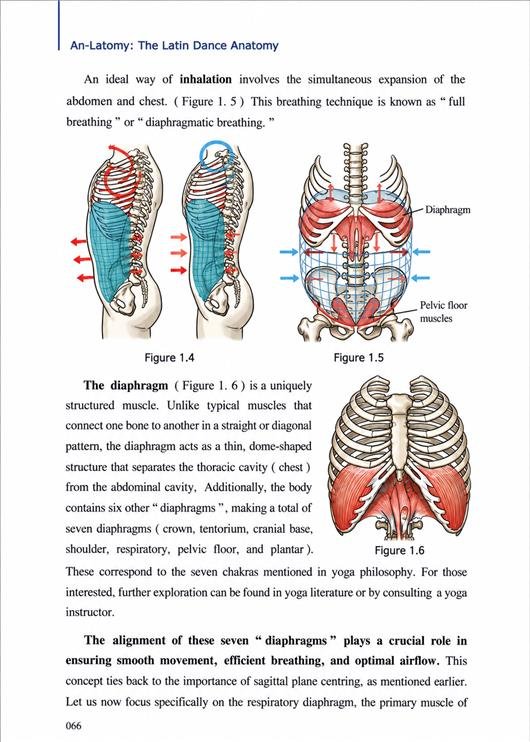
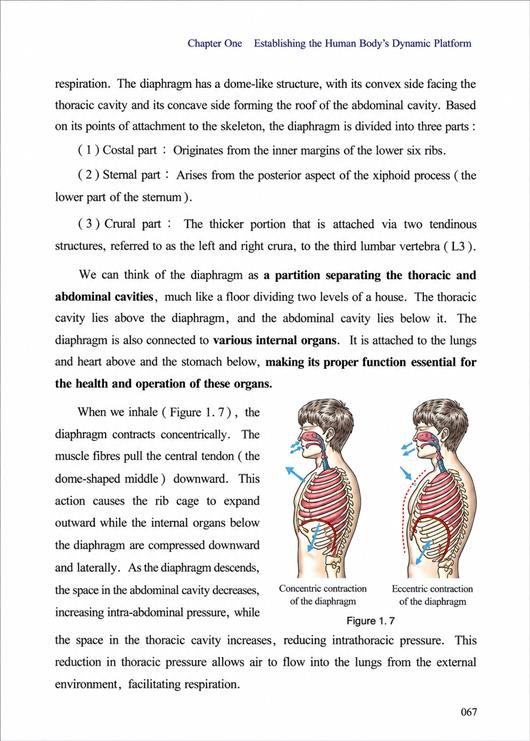
- Breathing & Core Coordination: The diaphragm, breathing mechanics, and their relationship to posture and coordinated movement.
- Three Planes of Motion: How sagittal, frontal, and transverse movements contribute to balance, stability, and rotation.
- Five Primary Kinetic Chains: How interconnected muscles, joints, and movement systems work together to coordinate movement and transfer force.
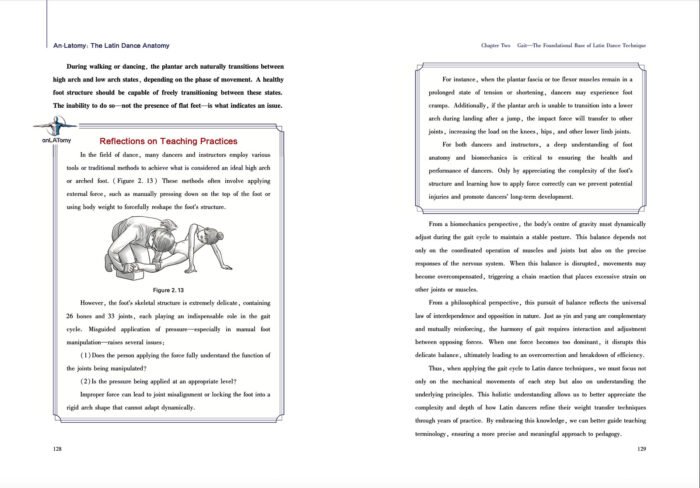
- Gait & Weight Transfer: The mechanics of walking, changes in the body’s centre of gravity, and their relevance to Latin dance steps.
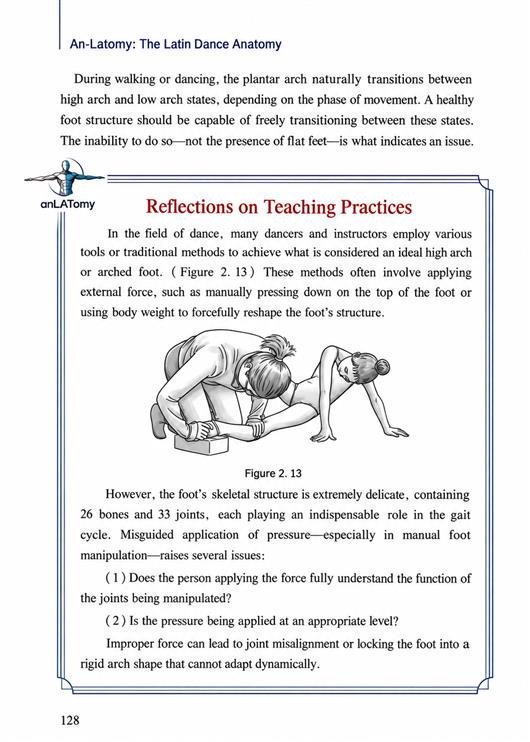
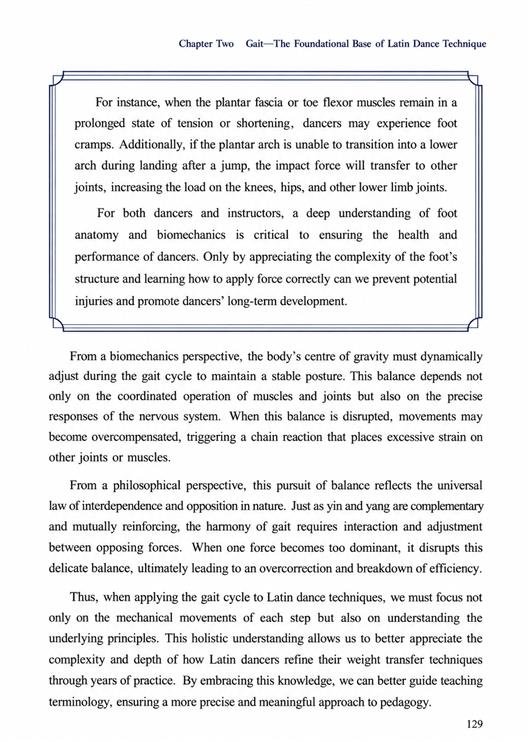
- Foot Anatomy & Function: The bones, joints, plantar fascia, and changing arches of the foot during movement.
- Joint Mechanics & Movement Efficiency: How different body regions coordinate to support controlled and adaptable movement.
- Dance Training & Teaching: A closer examination of conventional teaching cues, movement habits, and the importance of understanding natural body mechanics.
With nearly 300 illustrations, anatomical diagrams, and practical discussions, the book provides a visual approach to understanding the relationship between the human body and Latin dance technique.












Reviews
There are no reviews yet.