

The Acoustic Architecture of Standard Excellence: Album Overview
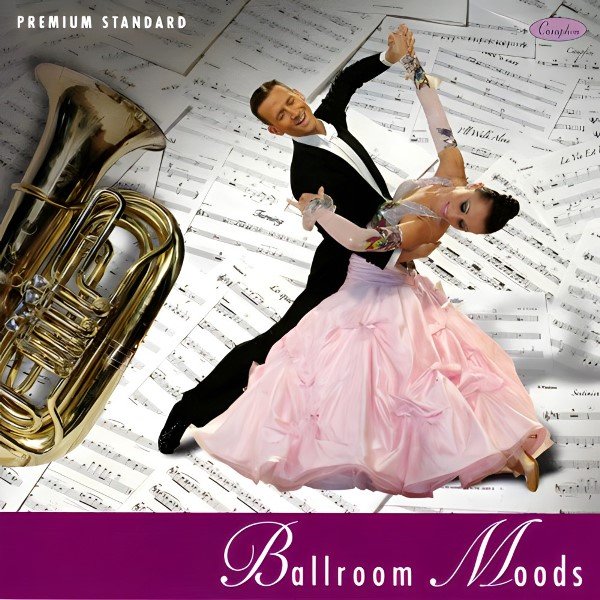
In the upper echelons of the International Standard discipline, physical precision must seamlessly mirror the structural color of the music. Ballroom Classics Four by Casa Musica provides an elite orchestral canvas designed to challenge and elevate a couple’s artistic interpretation, flight capacity, and floor coverage.
Dominated by the sweep of the Musica Poesia orchestra alongside featured jazz and big-band vocalists like Lucia Beltrami and Jack Peters, this 20-track anthology shifts across diverse musical landscapes. From the classical weight of slow strings to the bright, syncopated drive of traditional swing, the album is specifically engineered to eliminate synthesized predictability, forcing dancers to breathe and progression in real-time synergy with live instrumentation.
Key Orchestral & Competitive Pillars
Strict Temporal Discipline: Every composition is strictly tracked and calibrated to hold an uncompromised, fixed tempo structure, satisfying the rigorous standards of international adjudication panels.
Orchestral Depth vs. Vocal Contrast: The album balances grand, sweeping instrumental arrangements (ideal for isolating core technical figures) with layered, expressive vocal narratives that test a dancer’s performance boundaries.
Advanced Polyphonic Clarity: Featuring distinct layer isolation—where the underlying percussive time signature is cleanly separated from the soaring brass and string melodies—allowing competitors to master polyrhythmic execution.
Premium Stadium Acoustic Mastering: Engineered to maintain immaculate fidelity and structural clarity when played over expansive arena sound systems, preventing low-end distortion and maintaining crisp high-register definition.
Syllabus & Tracklist Composition Breakdown
This 20-track archive is masterfully arranged to deliver the distinct emotional profiles, timing constraints, and movement demands of the five International Standard dances:
1. The Swing, Rise & Fall Disciplines (Slow Waltz & Viennese Waltz)
Track 1: Adagio — Musica Poesia (2:27)
Track 2: Didication — Musica Poesia (2:29)
Track 3: Vocalise — Musica Poesia (3:18)
Track 12: A Grand Bal — Musica Poesia (2:44)
Track 13: Serenade — Musica Poesia (2:10)
Track 14: Magic Waltz — Musica Poesia (2:29)
Acoustic Character: Deeply lyrical and driven by three-quarter metre phrasing, these arrangements emphasize the powerful downbeat of count 1, providing the momentum needed to launch expansive, sweeping strides and sustained, rolling natural and reverse turns.
2. Staccato Drama & Grounded Trackways (International Tango)
Track 6: Hablame De Amor — Musica Poesia (2:05)
Track 7: Aventure — Musica Poesia (2:13)
Track 8: Cancion Triste — Musica Poesia (1:58)
Track 9: Misterio — Musica Poesia (2:17)
Track 10: Mucho Tango — Musica Poesia (1:58)
Track 11: Ormaggio — Musica Poesia (2:03)
Acoustic Character: Built around sharp, percussive phrasing and tight, aggressive acoustic layers, these numbers strip away soft transitions to demand instant weight transfers, precise head link staccatos, and flat-footed floor connection.
3. Continuous Flight & High-Velocity Progression (Slow Foxtrot & Quickstep)
Track 4: Sprint — Musica Poesia (3:07)
Track 5: Evensong — Musica Poesia (2:49)
Track 15: Bidin’ My Time — Jack Peters (2:34)
Track 16: Why Don’t You Do Right — Lucia Beltrami (2:10)
Track 17: I Will Wait For You — Peter Douglas (2:01)
Track 18: Nice Work If You Can Get It — Jaggy Joe & The Swingin’ Swingers (3:11)
Track 19: Bonnie & Clyde — Lucia Beltrami (2:29)
Track 20: Autostop — Orchestre Musica Poesia (2:04)
Acoustic Character: Blending continuous jazz phrasing with punchy big-band arrangements, these tracks provide the long, rolling waves required for the uninterrupted passing steps of the Foxtrot, alongside the fast, energetic brass attacks necessary for the scattering chassés and flying jumps of the Quickstep.
Championship Pedagogical Insights
Musicality & Floor Presentation Note: The most frequent error on the competitive floor is dancing exclusively on the primary beat, which creates a rigid, mechanical visual. The advanced engineering behind Casa Musica’s Ballroom Classics Four is designed to train dancers in the art of spatial elongation. Elite couples must use the underlying tempo to anchor their lower body tracking strictly into the floor, while simultaneously allowing their upper frame, neck lines, and sways to drift and resolve alongside the secondary orchestral lines—such as the soaring violin swells in Vocalise or the lazy horn phrases in Why Don’t You Do Right. This separation creates the visual illusion of effortless weightlessness and superior musical mastery.
Reviews
There are no reviews yet.