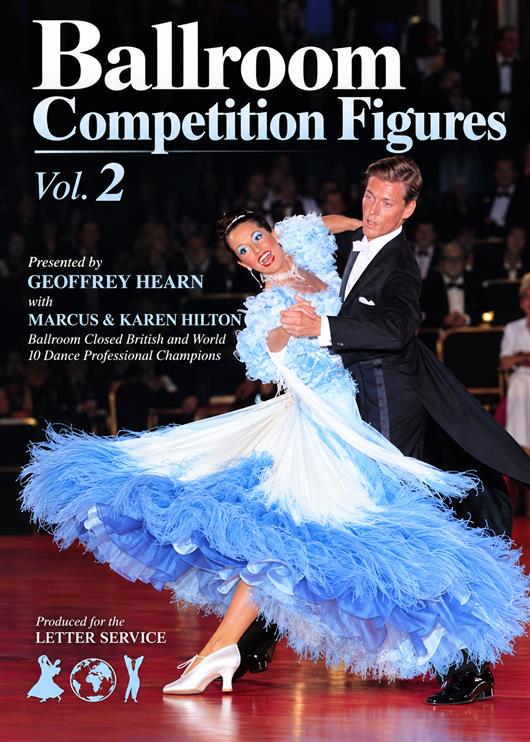
The Championship Routine Engineering System: Course Overview
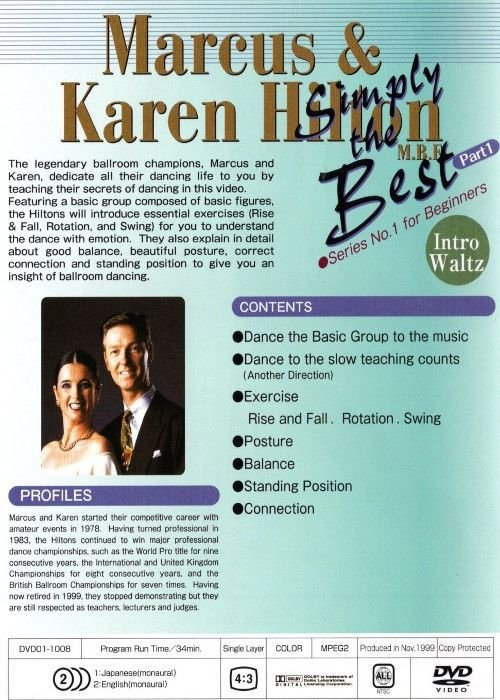
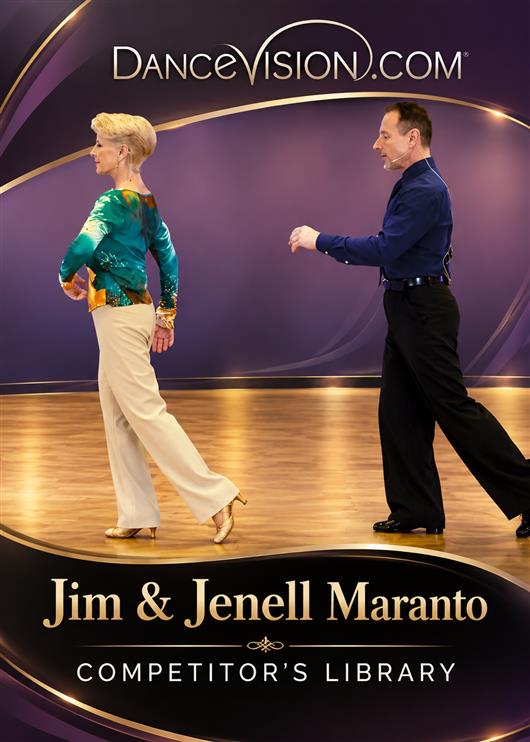
In modern open-level Standard ballroom competition, securing top marks from an international adjudication panel requires moving past standard syllabus routines and injecting your choreography with highly dynamic, three-dimensional competitive figures. However, simply copying advanced shapes without understanding their entry and exit mechanics often leads to a broken partnership axis, lost momentum, and heavy floor travel. Ballroom Competition Figures Vol. 2 by Marcus & Karen Hilton stands as the definitive visual guide to solving this technical challenge, offering a precise, master-level blueprint for high-scoring routine design.
Spanning an intensive private-lesson style deconstruction, the most successful and admired Standard ballroom couple in dance history, Marcus and Karen Hilton MBE, break down 14 essential advanced figures. Instead of showcasing these complex actions in isolation, they present them inside 18 beautifully constructed, danceable groups. Each routine module explicitly details the exact preceding patterns required to generate maximum kinetic energy, as well as the following steps needed to exit cleanly. This systematic training manual equips competitive athletes across C, B, and A-class divisions with the ultimate tool to create contrast, speed, and volume on the floor.
The 14 Essential Competition Figures & Routine Matrix
This premium digital masterclass systematically maps the 14 advanced figures across 18 ready-to-use competitive groups, organized by discipline:
1. Slow Waltz Choreography Modules
Quick Open Telemark Group: Open Impetus $\rightarrow$ Rolling Chasse in PP $\rightarrow$ Quick Open Telemark $\rightarrow$ Quick Open Reverse Turn from PP $\rightarrow$ Oversway to PP.
Running Weave Group: Open Impetus $\rightarrow$ Running Weave $\rightarrow$ Double Side Cross $\rightarrow$ Fallaway Reverse Turn $\rightarrow$ Slip Pivot $\rightarrow$ Oversway with Develope $\rightarrow$ Same Foot Lunge $\rightarrow$ Reverse Pivot $\rightarrow$ Open Telemark.
Standing Spin to L Group: Quick Open Reverse Turn $\rightarrow$ Open Turn $\rightarrow$ Hover Corte $\rightarrow$ Same Foot Lunge $\rightarrow$ Standing Spin to L $\rightarrow$ Hinge $\rightarrow$ Hover to PP.
Standing Spin to R Group: Fallaway Reverse Turn $\rightarrow$ Slip Pivot $\rightarrow$ Oversway action $\rightarrow$ Hinge $\rightarrow$ Standing Spin to R $\rightarrow$ L Side Check $\rightarrow$ Weave action to PP.
Rudolph Fallaway Group: Natural Spin Turn $\rightarrow$ Turning Lock to Side Cross $\rightarrow$ Open Telemark $\rightarrow$ Open Turn $\rightarrow$ Quick Outside Spin $\rightarrow$ Natural Pivots $\rightarrow$ Rudolph Fallaway $\rightarrow$ Slip Pivot $\rightarrow$ Chasse to R $\rightarrow$ Outside Change.
Chasse Roll to R Group: Open Telemark $\rightarrow$ Curved Feather from PP $\rightarrow$ Chasse Roll to R $\rightarrow$ Natural Pivots $\rightarrow$ Natural Twist Turn to Lunge $\rightarrow$ Heel Pivot.
Chasse Roll to L Group: Natural Spin Turn $\rightarrow$ Turning Lock to R $\rightarrow$ Running Weave $\rightarrow$ Chasse Roll to L $\rightarrow$ L Whisk $\rightarrow$ Swivel to PP $\rightarrow$ Curved Feather from PP.
2. Slow Foxtrot Choreography Modules
Quick Open Telemark Group: Feather Step $\rightarrow$ Open Telemark $\rightarrow$ Quick Open Telemark $\rightarrow$ Promenade Pivot $\rightarrow$ Three Step.
Rudolph Fallaway Group: Feather Step $\rightarrow$ Fallaway Reverse Turn $\rightarrow$ Weave ending $\rightarrow Change of Direction $\rightarrow$ Contra Check $\rightarrow$ Natural Pivots $\rightarrow$ Rudolph Fallaway $\rightarrow$ Slip Pivot $\rightarrow$ Open Telemark.
The Gem Group: Feather Step $\rightarrow$ L Side Run to Open Turn and Reverse Pivot $\rightarrow$ Double Reverse Wing $\rightarrow$ Cross Swivel $\rightarrow$ Same Foot Lunge Point $\rightarrow$ Hinge to PP (The Gem Variation).
Chasse Roll to R Group: Reverse Wave $\rightarrow$ Back Feather $\rightarrow$ Wave $\rightarrow$ Chasse Roll to R $\rightarrow$ Open Impetus.
Whiplash Group: Feather Finish $\rightarrow$ Hover to PP $\rightarrow$ Whiplash $\rightarrow$ Reverse Pivot $\rightarrow$ Chasse to R $\rightarrow$ Weave ending.
3. Tango Choreography Modules
Back Checks Group: Two Walks $\rightarrow$ Fallaway Four Step $\rightarrow$ Back Checks from PP $\rightarrow$ Oversway $\rightarrow$ Chasse to R $\rightarrow$ Whisk $\rightarrow$ Close Point to PP.
Whiplash Group: Progressive Link $\rightarrow$ Fallaway Whisk $\rightarrow$ Natural Pivots to PP $\rightarrow$ Whiplash $\rightarrow$ Fallaway ending $\rightarrow$ Slip Pivot $\rightarrow$ Five Step.
4. Quickstep Choreography Modules
Woodpecker Group: Quick Chasse to R $\rightarrow$ Outside Change to PP $\rightarrow$ Promenade Run $\rightarrow$ Woodpecker $\rightarrow$ Pendulum Points $\rightarrow$ Pepperpot from PP.
Rocket Group: Natural Pivot Turn $\rightarrow$ Natural Pivots to Heel Pull $\rightarrow$ Rumba Cross $\rightarrow$ Impetus Turn ending $\rightarrow$ The Rocket $\rightarrow$ Pepperpot.
Travelling Contra Check Group: Natural Spin Turn $\rightarrow$ Turning Lock to R $\rightarrow$ Two Turning Step Hops $\rightarrow$ Chasse $\rightarrow$ Outside Change to PP $\rightarrow$ Step Hop $\rightarrow$ Travelling Contra Check to PP $\rightarrow$ Pepperpot from PP.
Scatter Chasses Group: Natural Pivot Turn $\rightarrow$ Curved Feather $\rightarrow$ Open Impetus $\rightarrow$ Two Turning Step Hops $\rightarrow$ Three sets of Scatter Chasses.
Advanced Coaching Notes: Perspective from Marcus & Karen
How can a competitive couple ensure they maintain absolute body alignment when transitioning into high-velocity figures like the Rudolph Fallaway or Running Weave?
The most common execution error observed on the open competition floor occurs during the entry phase of these advanced variations. Dancers often try to generate speed or create a dramatic shape by pulling back with their arms or forcing their shoulders ahead of their hips. In a figure like the Rudolph Fallaway in Foxtrot or Waltz, this upper-body forcing instantly destroys the shared partnership axis, separates the right-side hip connection, and results in a heavy, jerking motion that destroys the continuous flight of the dance.
To master these 14 advanced figures seamlessly, couples must focus entirely on the concept of shared kinetic storage and core grounding. When executing the Running Weave or Chasse Roll to R, the leader must initiate the rotation not from the upper frame, but from a deep, compressed leg drive into the floor, allowing the energy to travel upward through a stabilized lower spine.
Simultaneously, the follower must match this grounding, keeping their head weight well back and to the left, allowing the leader’s core rotation to naturally guide their path down the slot. By utilizing our structured preceding combinations to build smooth, controlled momentum, you ensure your advanced figures stay light, balanced, and perfectly coordinated even under intense championship conditions.


Reviews
There are no reviews yet.