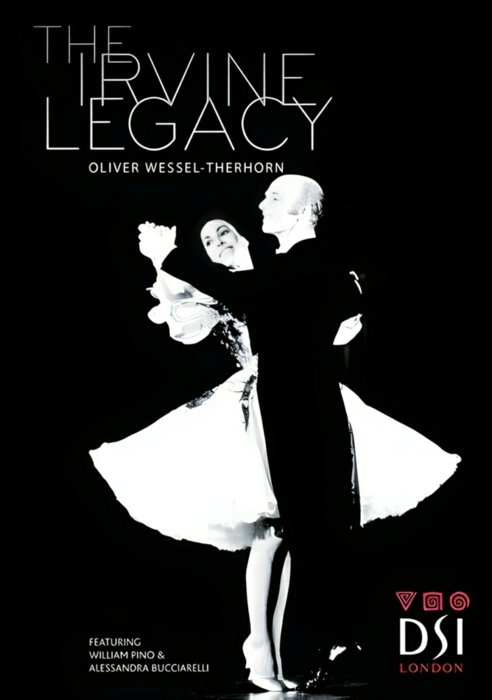
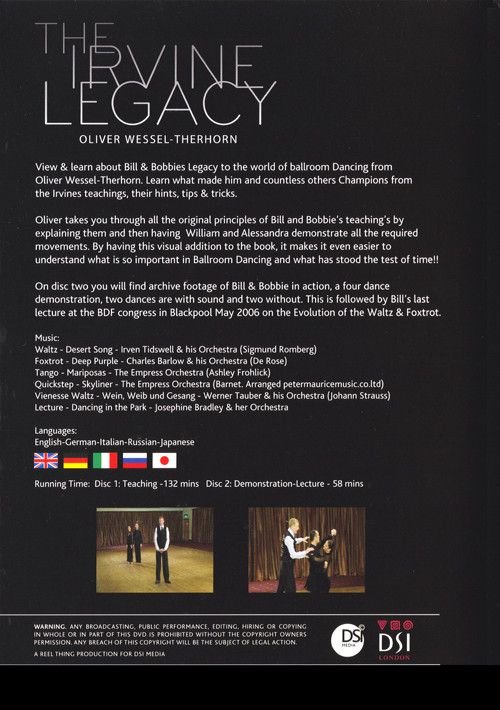
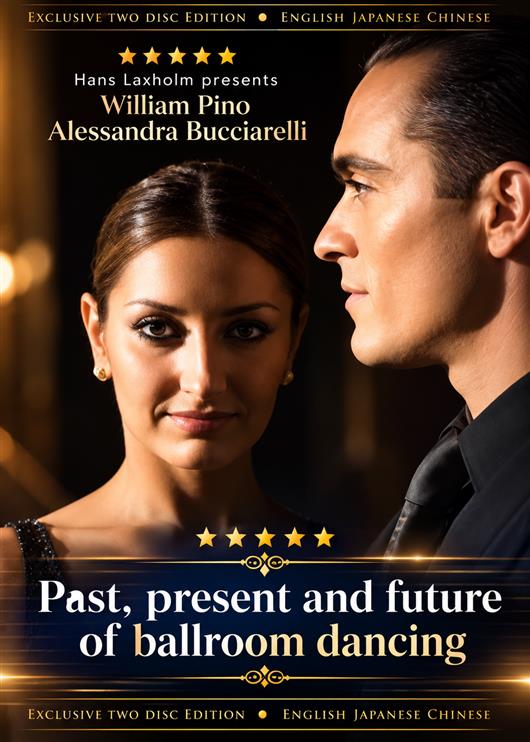
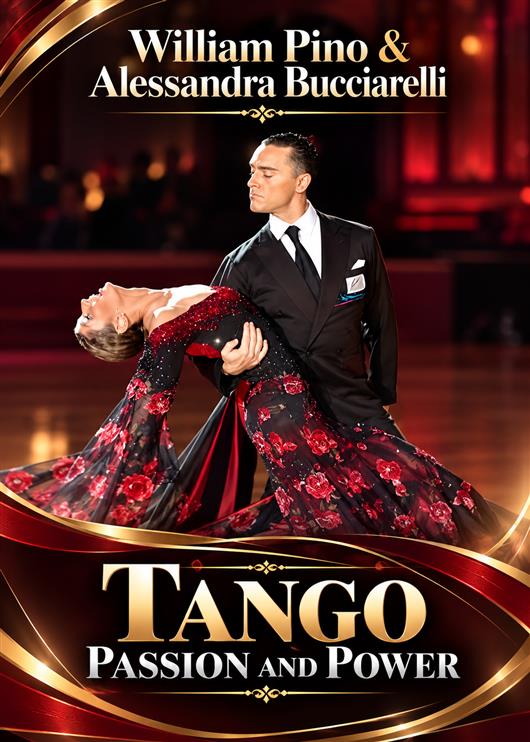
The Irvine Legacy is a two-video instructional series created by Oliver Wessel-Therhorn to preserve and explain the teaching philosophy of legendary Ballroom champions Bill & Bobbie Irvine MBE. Combining detailed technical instruction with demonstrations by William Pino & Alessandra Bucciarelli, the series presents many of the movement principles that continue to influence modern International Standard Ballroom.
Throughout the lessons, Oliver explains the original concepts developed by Bill & Bobbie Irvine before each movement is demonstrated in practice. This combination of technical explanation and visual demonstration helps dancers better understand posture, balance, body mechanics, movement quality, and partner communication across the five International Standard dances.
The second video includes rare archive footage of Bill & Bobbie Irvine dancing four Standard dances, followed by Bill Irvine’s final lecture at the British Dance Federation Congress in Blackpool (May 2006) discussing the evolution of Waltz and Slow Foxtrot, making this collection both a valuable technical resource and a historical record of one of Ballroom’s most influential teaching partnerships.
Topics Covered
Disc 1 – Teaching
- Stand Straight
- Daily posture for Ballroom dancing
- Body alignment
- Building the lady’s back line
- Let’s Get into Position
- Ballroom hold
- Partner positioning
- Hand placement
- Frame and connection
- Any Good with Your Feet
- Walking mechanics
- Outside partner steps
- Foot usage and movement
- A Continuous Up & Down
- Swing and rise
- Pressure rise
- Body rise
- Leg and foot action
- Round & Round
- Natural and Reverse Turns
- Spin Turns
- Pivots
- CBM
- We Sway
- Waltz and Foxtrot sway
- Broken sway
- Shape development
- Promenades & Fallaways
- Promenade Position
- Fallaway actions
- Exiting PP
- Dance-Specific Tips
- Waltz
- Slow Foxtrot
- Viennese Waltz
- Quickstep
- Made in Argentina (Tango)
- Tango hold
- Tango walk
- Progressive Link
- Closed Promenade
- Lead & Communication
- Leading principles
- Partner response
- Movement communication
Disc 2
- Archive performances by Bill & Bobbie Irvine
- Four International Standard dance demonstrations
- Bill Irvine’s final BDF Congress lecture (Blackpool, 2006)
- The evolution of Waltz and Slow Foxtrot
Reviews
There are no reviews yet.